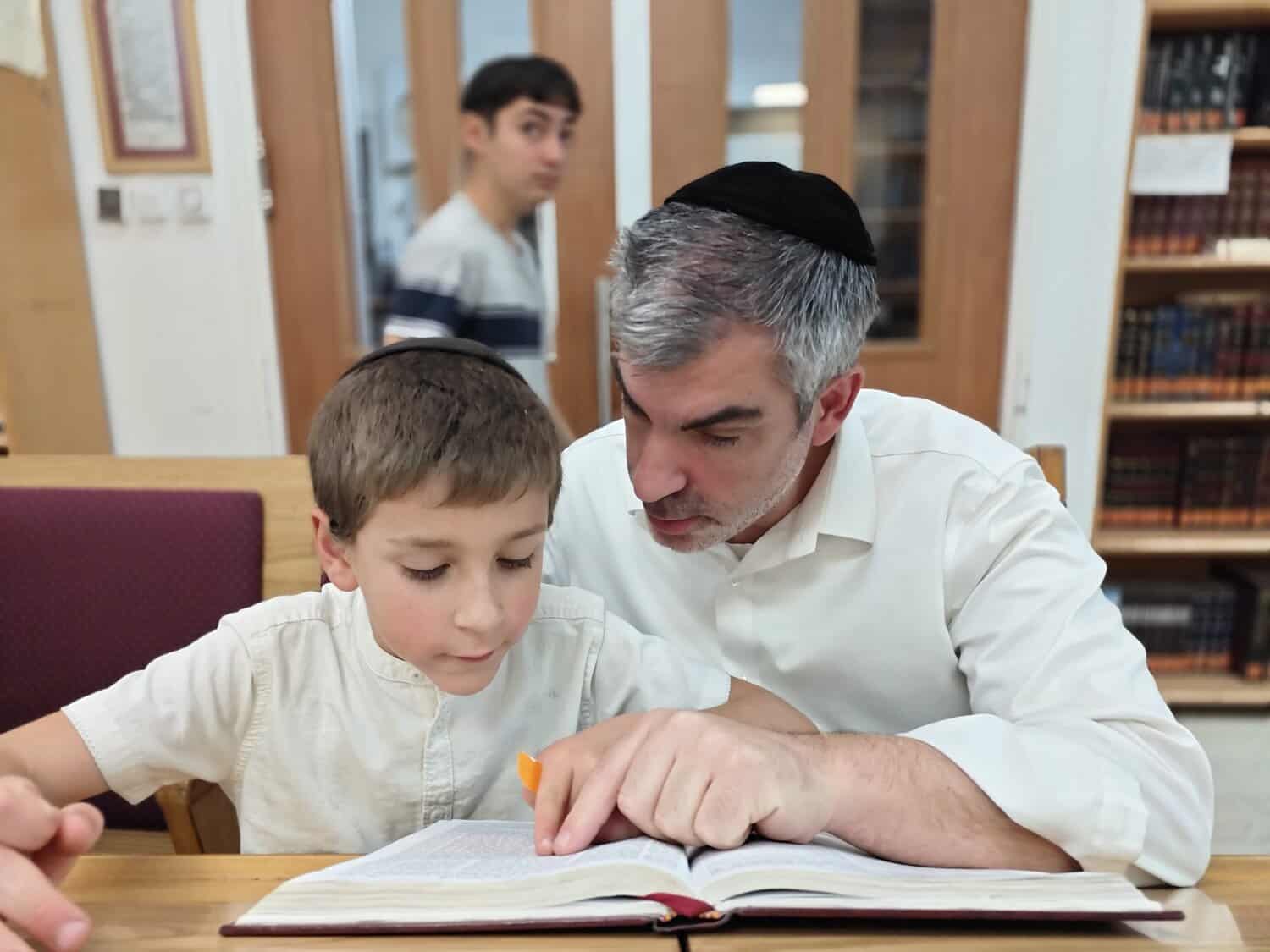
Rabbi Avrohom Baruch Zachariash teaches the halachas of Counting the OMER with the Mishnah Berurah (O.C. 489).
AI Meeting summary Meeting summary
Quick recap
This meeting focused on discussing Jewish religious practices and halachic interpretations, particularly around the counting of days and weeks during specific religious observances. The discussion covered various technical aspects of when and how to count, including timing considerations for when it's appropriate to make blessings and perform certain rituals. The conversation explored different opinions from rabbinic authorities about counting methods, language preferences for counting, and when it's permissible to make blessings before the formal designated time. The participants examined specific cases and exceptions to the general rules, including situations involving early counting and the proper procedures for different religious observances.
Summary
Religious Counting Methods Discussion
The meeting focused on discussing counting methods for a religious observance, specifically addressing conflicting instructions about counting days versus weeks. The Rav explained that some traditions require counting both days and weeks simultaneously, while others view these as separate mitzvahs. The discussion included details about proper terminology and pronunciation for certain religious terms, though specific decisions or action items were not clearly outlined in the transcript.
Language and Counting Practices
The Rav discussed the topic of counting and communication in different languages, particularly focusing on how ordinal numbers are expressed. They explored the concept of using foreign languages to convey ideas when the meaning is still understood, comparing this to using Roman numerals. The conversation then shifted to discussing timing in religious counting practices, specifically addressing when counting should occur and the implications of doing so at different times, particularly before or after Plaga.
Halachic Question on Salting
The Rav discussed a halachic question about whether one needs to say something when they are unsure about proper salting of chicken. They explained that if there is uncertainty about completing the salting process, one cannot make a dura bono declaration until confirmation of proper salting is obtained. The discussion explored whether this principle applies to other situations involving uncounted items, though the specific examples were not fully detailed in the transcript.
Blessing Pronunciation and Usage Guidelines
The Rav discussed the proper pronunciation and usage of "Kriyashma" and "Brucha," explaining when and why certain blessings are said. He explained that when someone receives an Aliyah, they say "Brucha" beforehand as an introduction to get people's attention, since the person getting the Aliyah is responsible for saying the blessings. The Rav also noted that a similar practice should apply to Mimcha, where someone should say "Brucha" since they were responsible for the Mimcha.
Customs of Blessing and Amen
The Rav discussed the custom of saying "Amen" after blessings, explaining that it's typically done individually rather than collectively. He referenced the Mabit's opinion about why certain personal prayers, like "Tilai Sandera," should be said personally rather than with others. The Rav also explained the difference between making a blessing for a group versus individuals, noting that when people are together, it's better to have one person make the blessing for everyone to ensure proper attention and participation.
Shabbat Halachic Timing Discussion
The Rav discussed halachic questions around timing for Shabbat observances, particularly focusing on when Kiddush and Havdala can be performed. He explained that while certain practices like making Kiddush before nightfall are permitted due to being close to the time transition, counting Sefirah (counting the Omer) from Plag Mincha is not allowed. The Rav also addressed practical challenges, including situations where elderly individuals in care homes wanted to participate in early Passover Seders, and emphasized the importance of understanding these complex halachic rules.
0